Volos, Greece | 9–11 November 2026
How can project managers move beyond sustainability commitments and make environmental, social, and governance considerations part of the decisions they take throughout a project’s lifecycle?
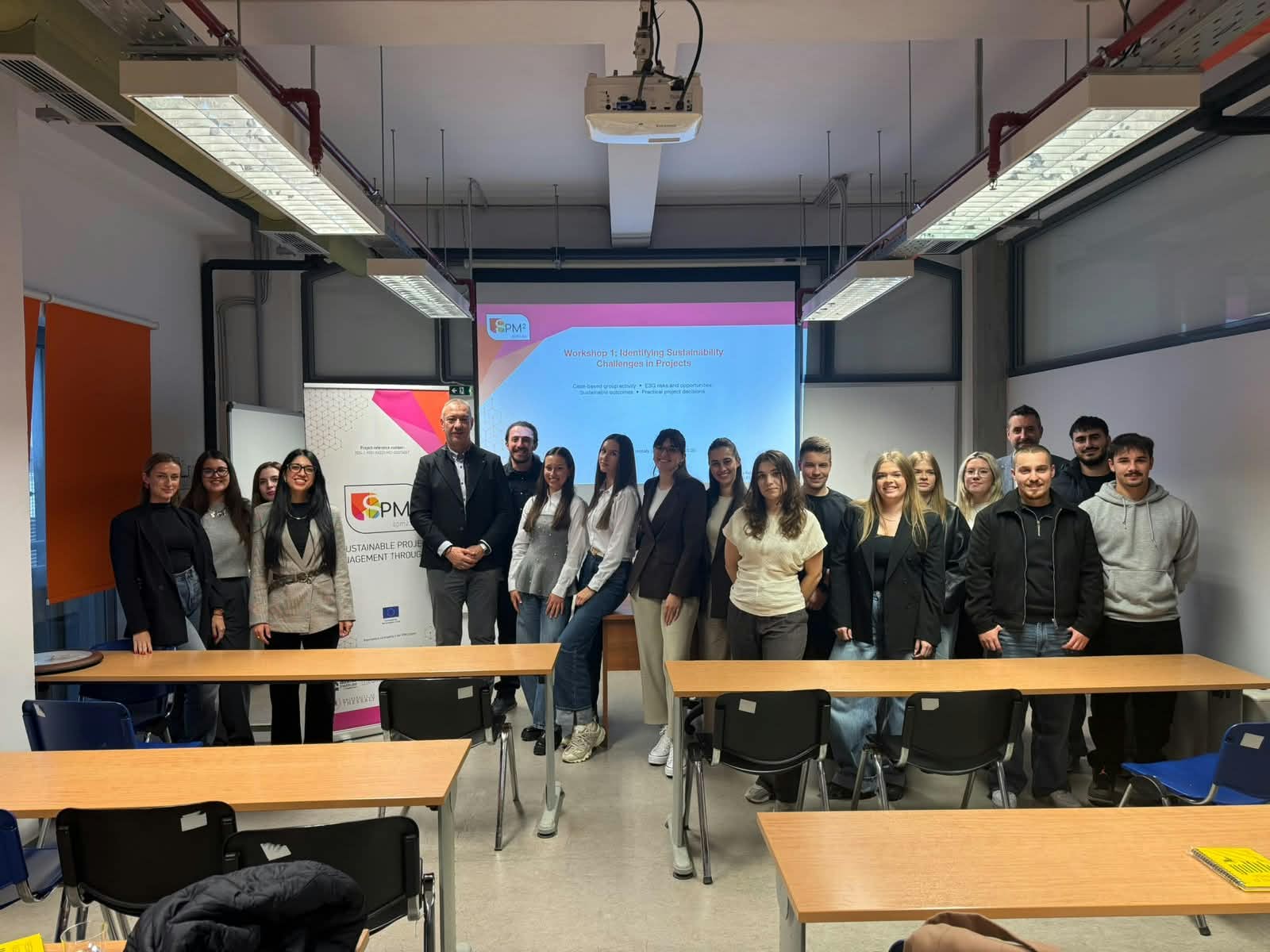
This question was at the heart of the SPM² Guide Pilot Testing Event, hosted by the University of Thessaly in Volos, Greece, from 9 to 11 November 2026.
The event formed part of Sustainable Project Management through PM² (SPM²), an Erasmus+ co-funded initiative dedicated to extending the European Commission’s PM² Project Management Methodology with sustainability-oriented principles, practices, and tools.
For the PM² Alliance, the pilot represents an important stage in translating the SPM² methodological framework into practical project management applications.
Sustainability Across the Project Lifecycle
Effective project management is increasingly expected to deliver more than the traditional objectives of time, cost, scope, and quality. Project managers must also consider the environmental and social implications of their decisions and the long-term value their projects create.
The SPM² approach addresses these expectations by integrating sustainability into the established structure of the PM² methodology, from project initiation and planning through execution, monitoring, control, and closing.
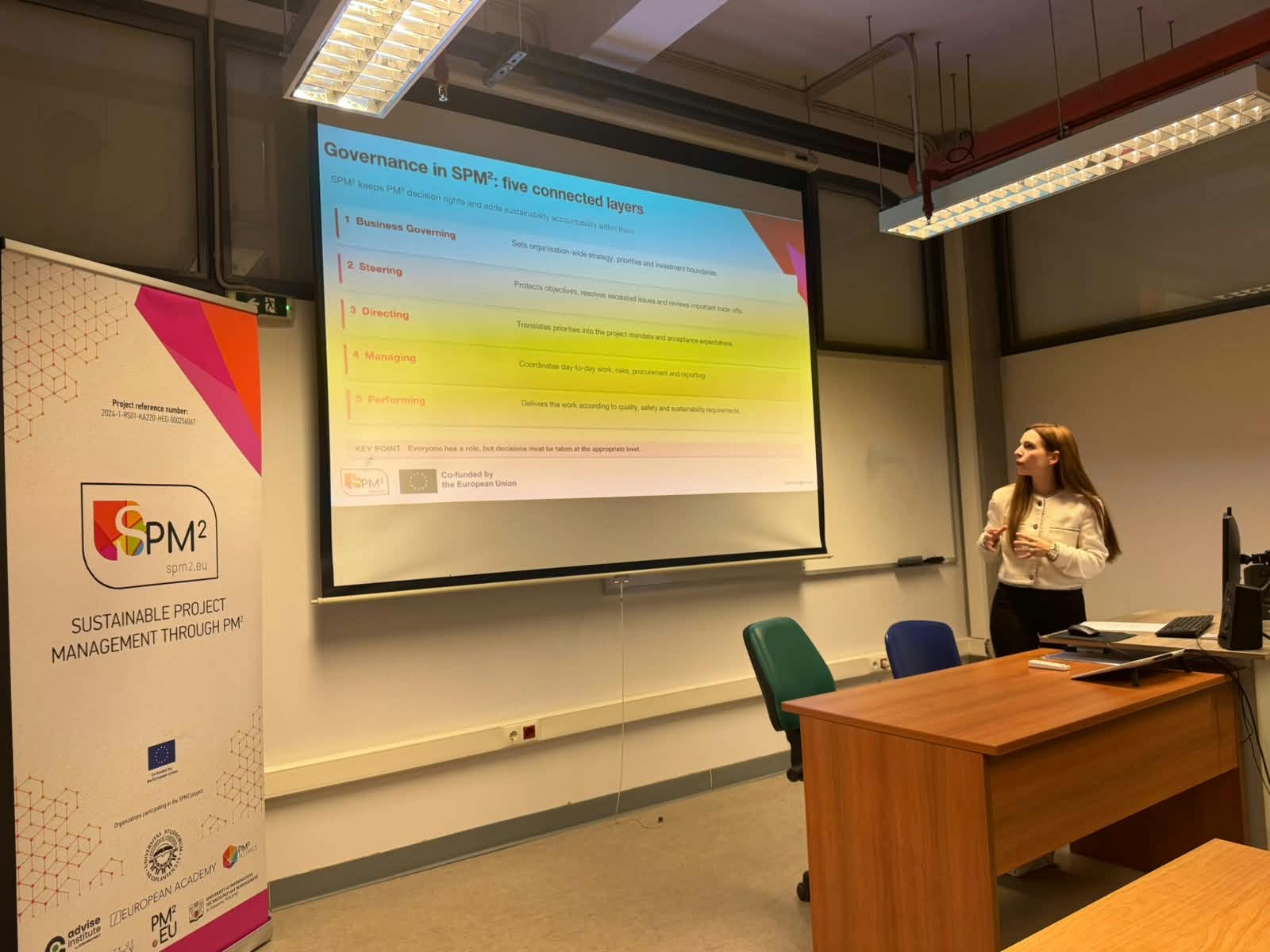
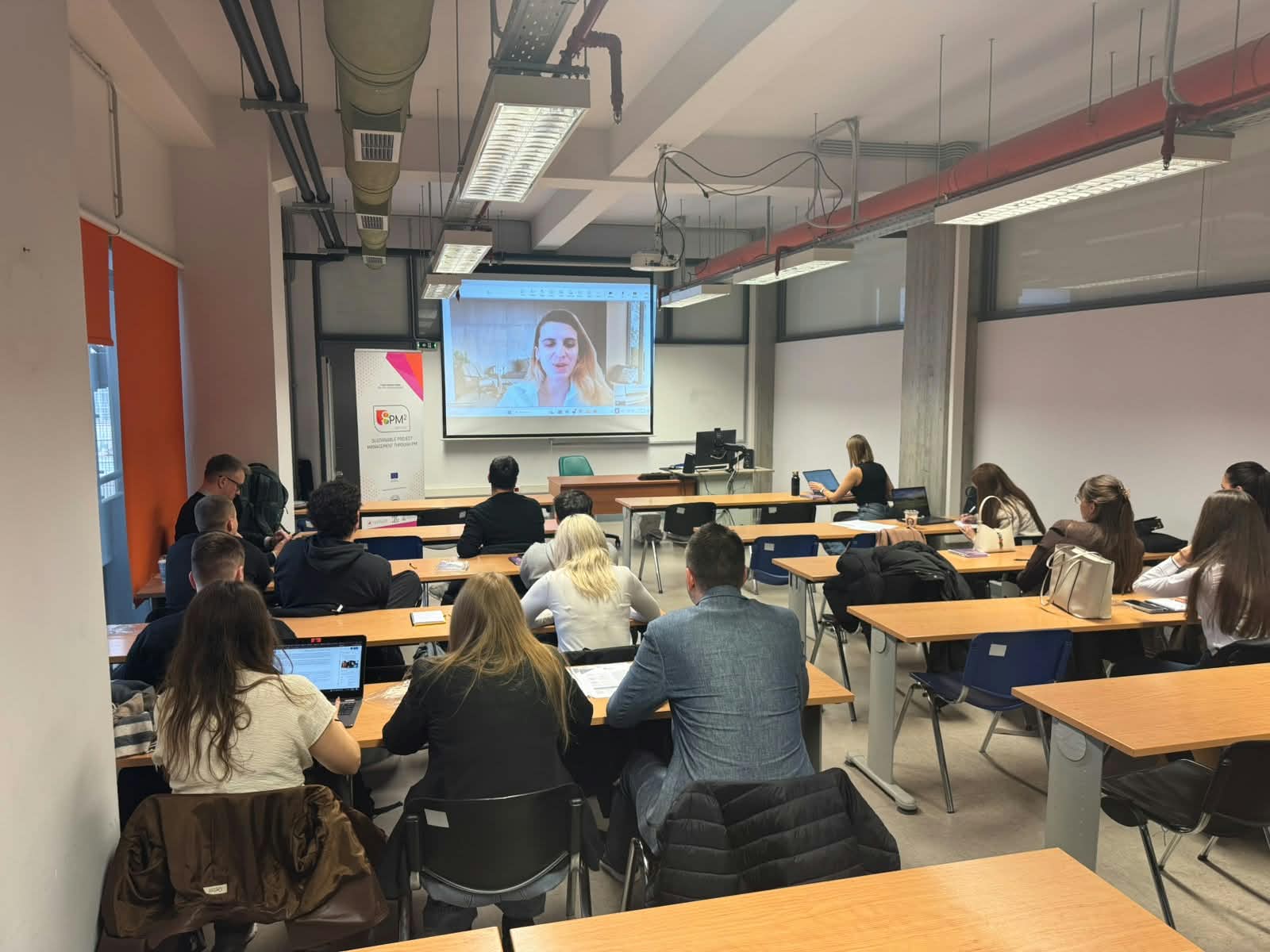
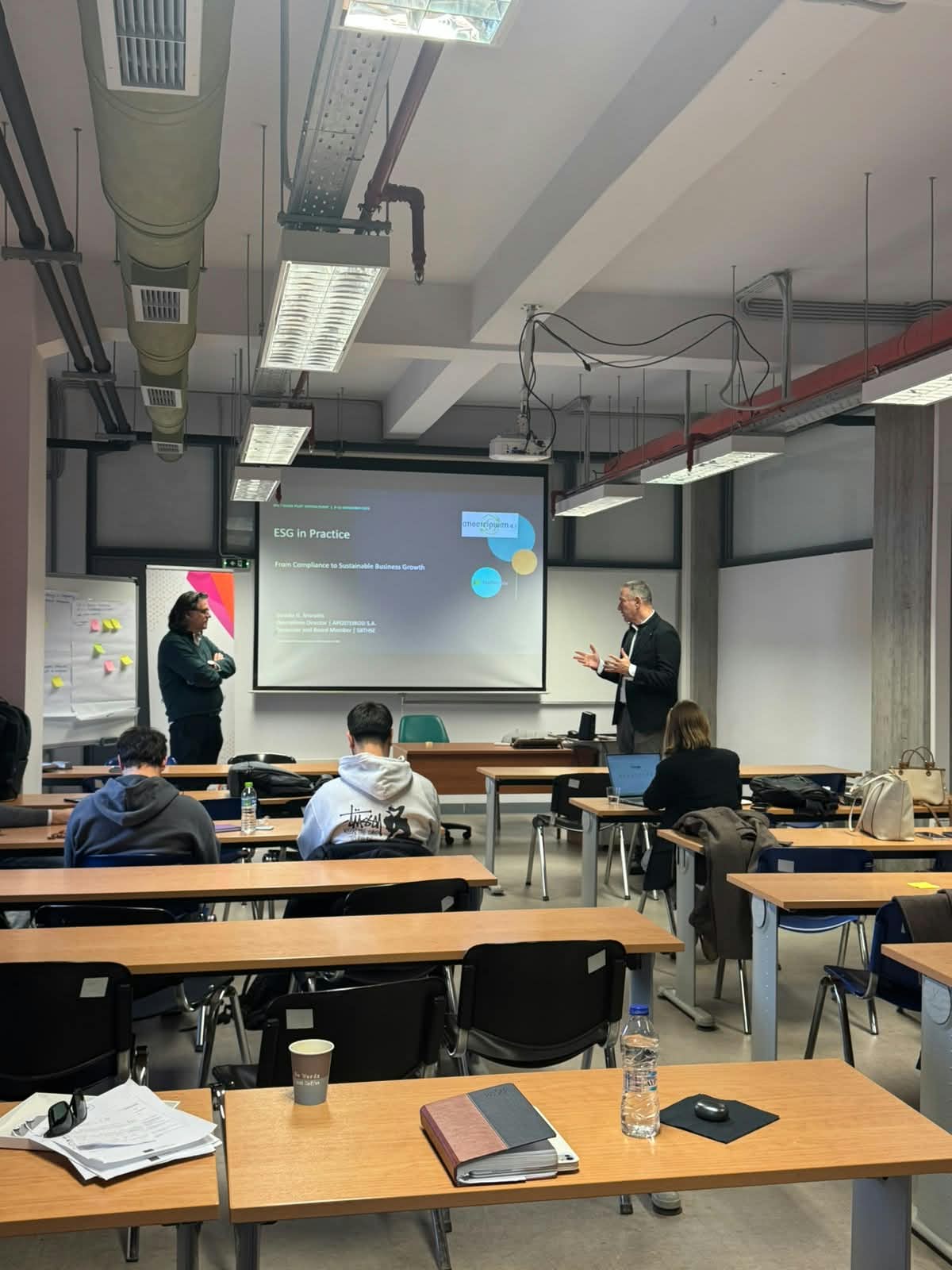
During the Volos programme, participants explored these principles through practical sessions focused on project governance, stakeholder engagement, sustainability management planning, and responsible decision-making.
Rather than examining sustainability as a separate project activity, the exercises encouraged participants to consider how it influences core project management processes.
Testing the Methodology Through Realistic Project Scenarios
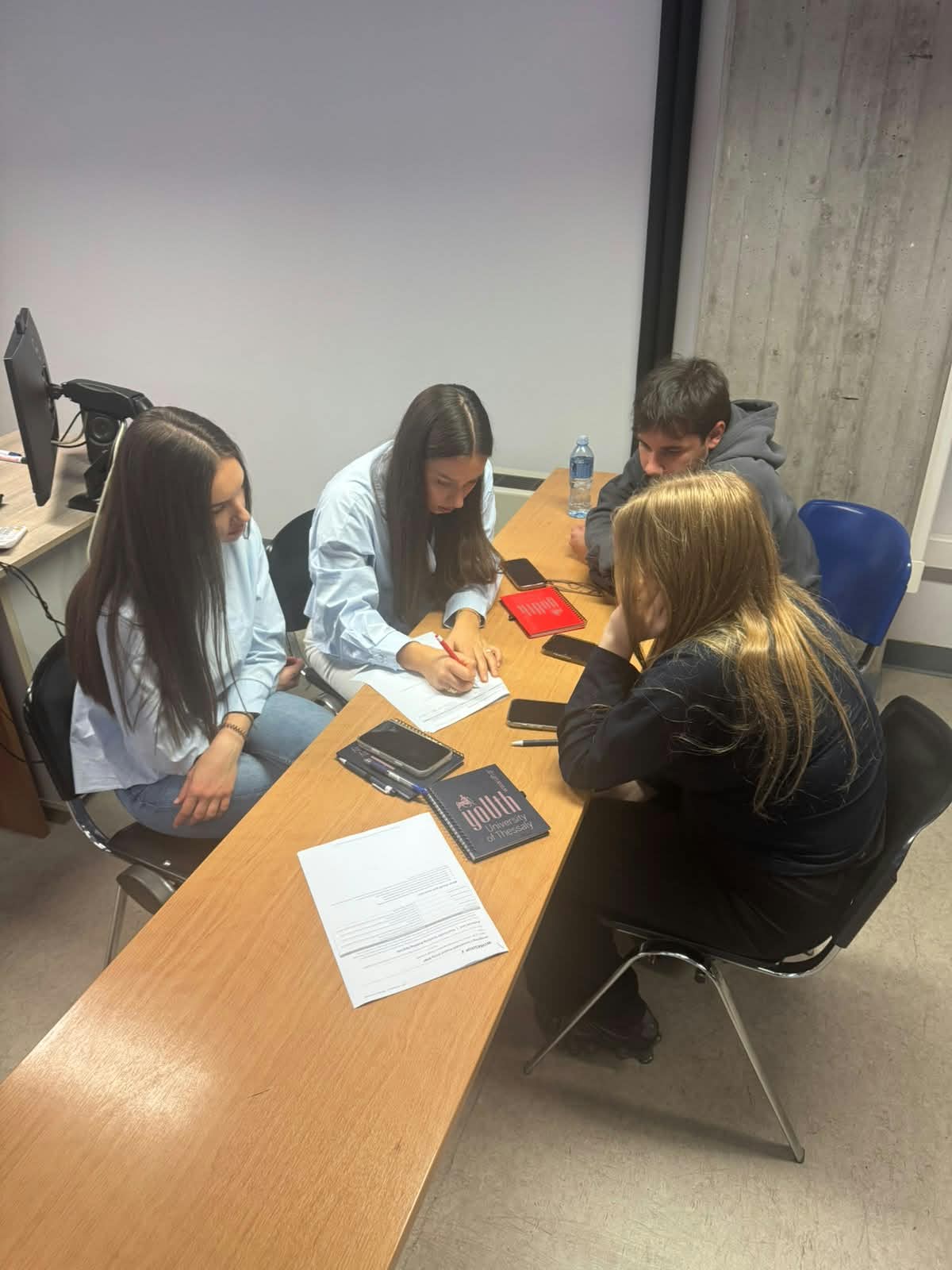
The practical workshops were a central element of the pilot.
Participants worked with project scenarios to examine sustainability risks and opportunities, formulate project objectives, develop Project Charters, and identify relevant performance indicators.
Particular attention was given to the relationship between sustainability objectives and project-level decision-making, including the trade-offs that project managers frequently encounter.
The final stage of the programme focused on evaluating the SPM² Guide itself. Through discussions and structured feedback activities, participants examined its usability, relevance, strengths, limitations, and potential applicability across different sectors.
This practical validation process is essential to developing a methodology that can respond to the needs of both education and professional project environments.
Advancing the Practice of Sustainable Project Management
For the PM² Alliance, the development of SPM² reflects a broader evolution in the project management profession.
Sustainability must become part of the way projects are governed and delivered, rather than an isolated requirement or reporting obligation.
By building on the established foundations of PM² and exploring their application to sustainability challenges, the SPM² initiative contributes to the continued development of practical, structured, and adaptable project management approaches.
The Volos pilot adds an educational and practical perspective to this work, helping connect methodological development with the capabilities required of future project managers.
Explore the SPM² Approach
Sustainable project management starts with better decisions, clearer responsibilities, and practical tools.
Discover the SPM² project and explore how its Guide and educational resources support the integration of sustainability throughout the project lifecycle.
To keep up with developments in SPM², connect with the project community on LinkedIn, Instagram, and Facebook.
Bringing sustainability into project management practice is a continuous process — and SPM² is helping provide the methodology to support it.