By Mohsen Κrichi
PM² Alliance Tunisia Regional Coordinator
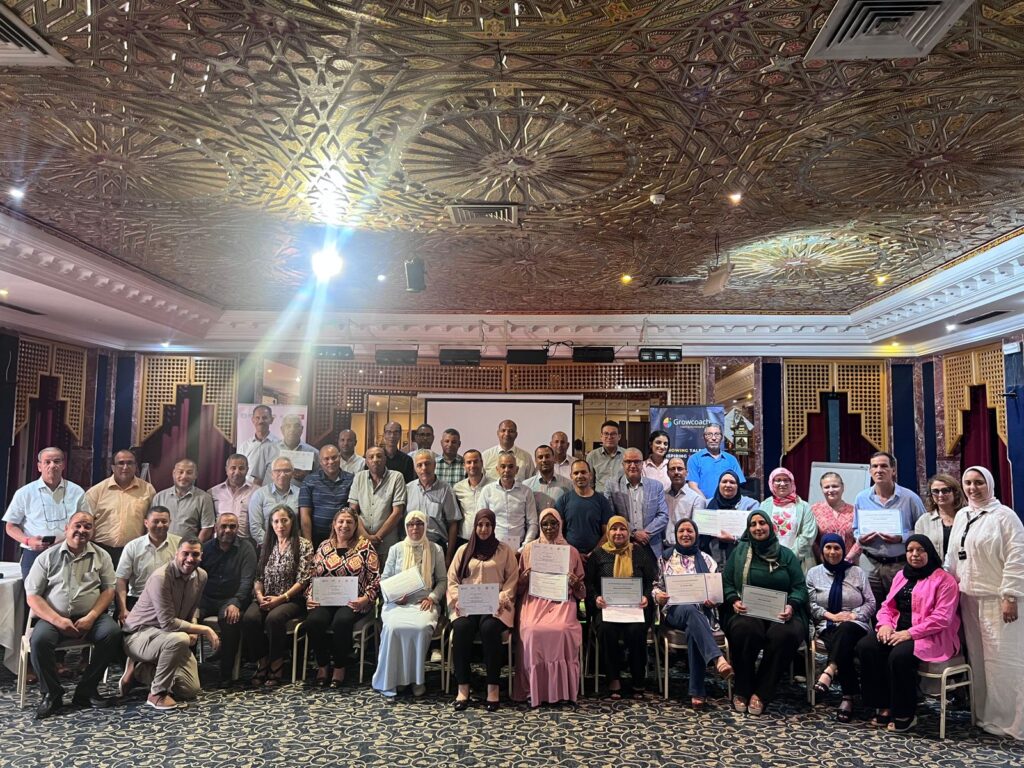
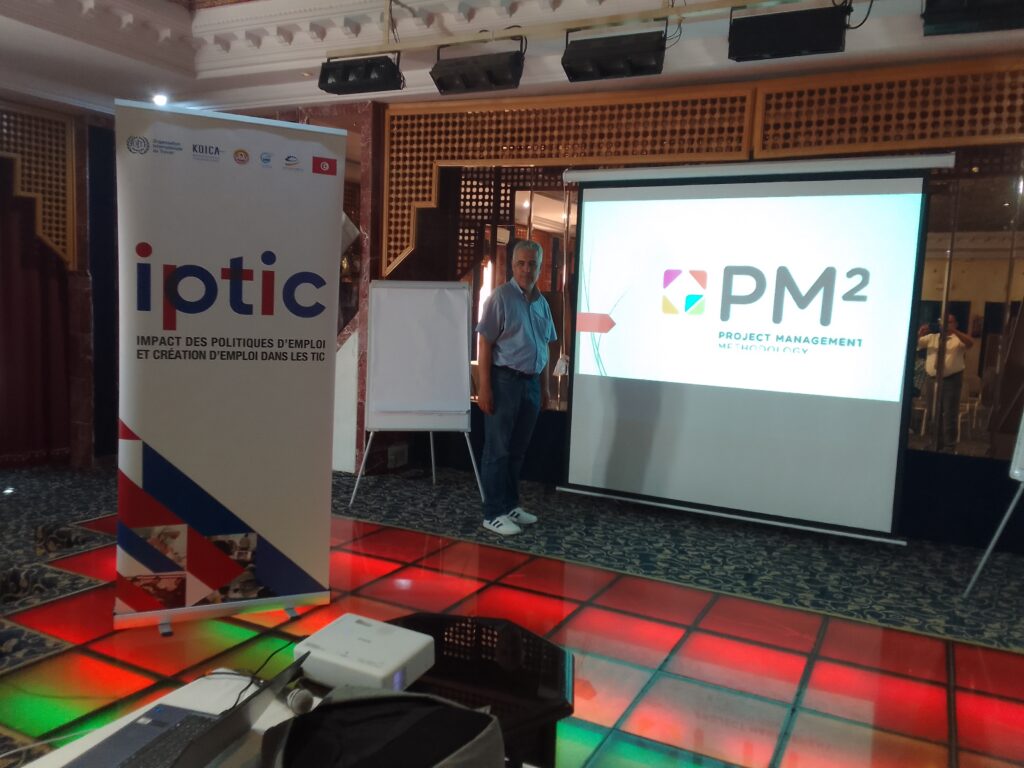
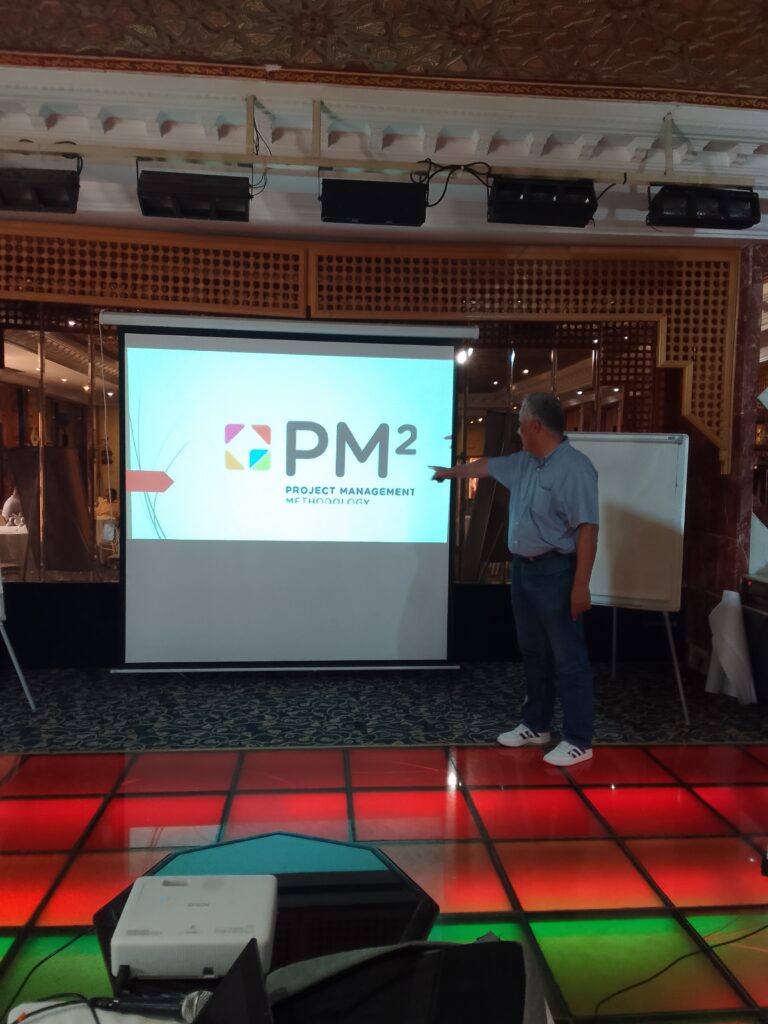
Over the past weeks, I had the privilege of delivering an intensive PM² training programme for senior officials of the Tunisian Ministry of Employment and Vocational Training, bringing together central administration executives and regional directors from across the country.
This initiative represents much more than a training course. It reflects a growing commitment to strengthening project management capabilities within public institutions and fostering a common language for planning, governing and delivering public initiatives.
Throughout the programme, participants worked on real-life projects and progressively applied a wide range of PM² artefacts and templates, including:
✔ Project Charter
✔ Business Case
✔ Stakeholder Matrix
✔ Work Breakdown Structure (WBS)
✔ Risk Register
✔ Project Work Plan
✔ Governance Structures
✔ Communication and Reporting Frameworks
What was particularly encouraging was the strong engagement of participants in adapting PM² principles to the realities of public administration and regional development projects.
As the official representative of PM² Alliance in Tunisia, I am proud to witness the increasing interest in European project management practices and their potential contribution to improving public sector performance, governance, transparency and accountability.
However, as every project management professional knows, training is only the beginning.
The true measure of success will not be the number of participants trained or the number of templates completed. Success will be determined by the sustainability of the initiative, the practical application of PM² within daily operations, and the extent to which these newly acquired competencies contribute to better project outcomes and greater public value.
The next challenge is therefore clear:
➡ Transform knowledge into practice.
➡ Transform templates into governance mechanisms.
➡ Transform projects into measurable benefits for citizens.
I would like to express my sincere appreciation to all participants for their commitment, professionalism and willingness to embrace new ways of working.
Together, we are contributing to a stronger project management culture and supporting the modernization of public administration in Tunisia.